Presentations Spotlight
Moving Policy to Best Practice through Research Translation
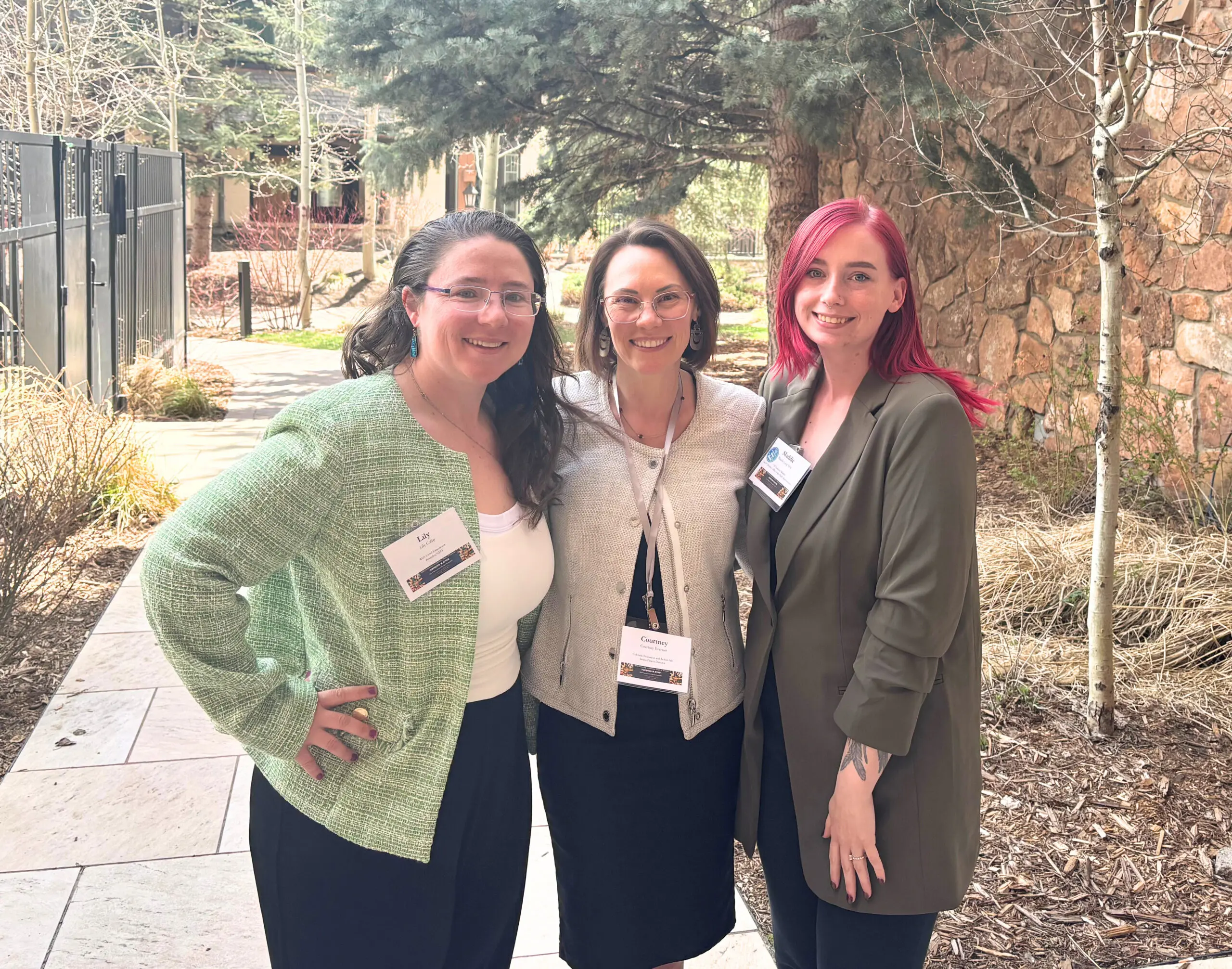
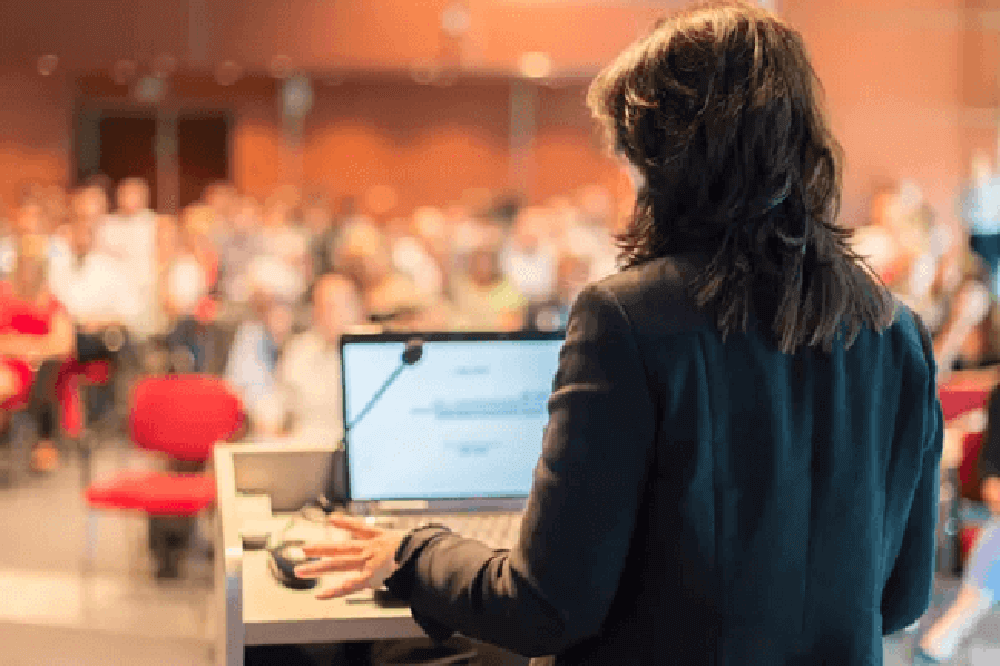
The Colorado Lab’s Dr. Courtney Everson made two presentations at this year’s Colorado Juvenile Judges Institute. The 2-day forum, convened by the Colorado Court Improvement Program, brought together over 40 judicial officers from across Colorado to learn more about recent dependency and neglect court reform.
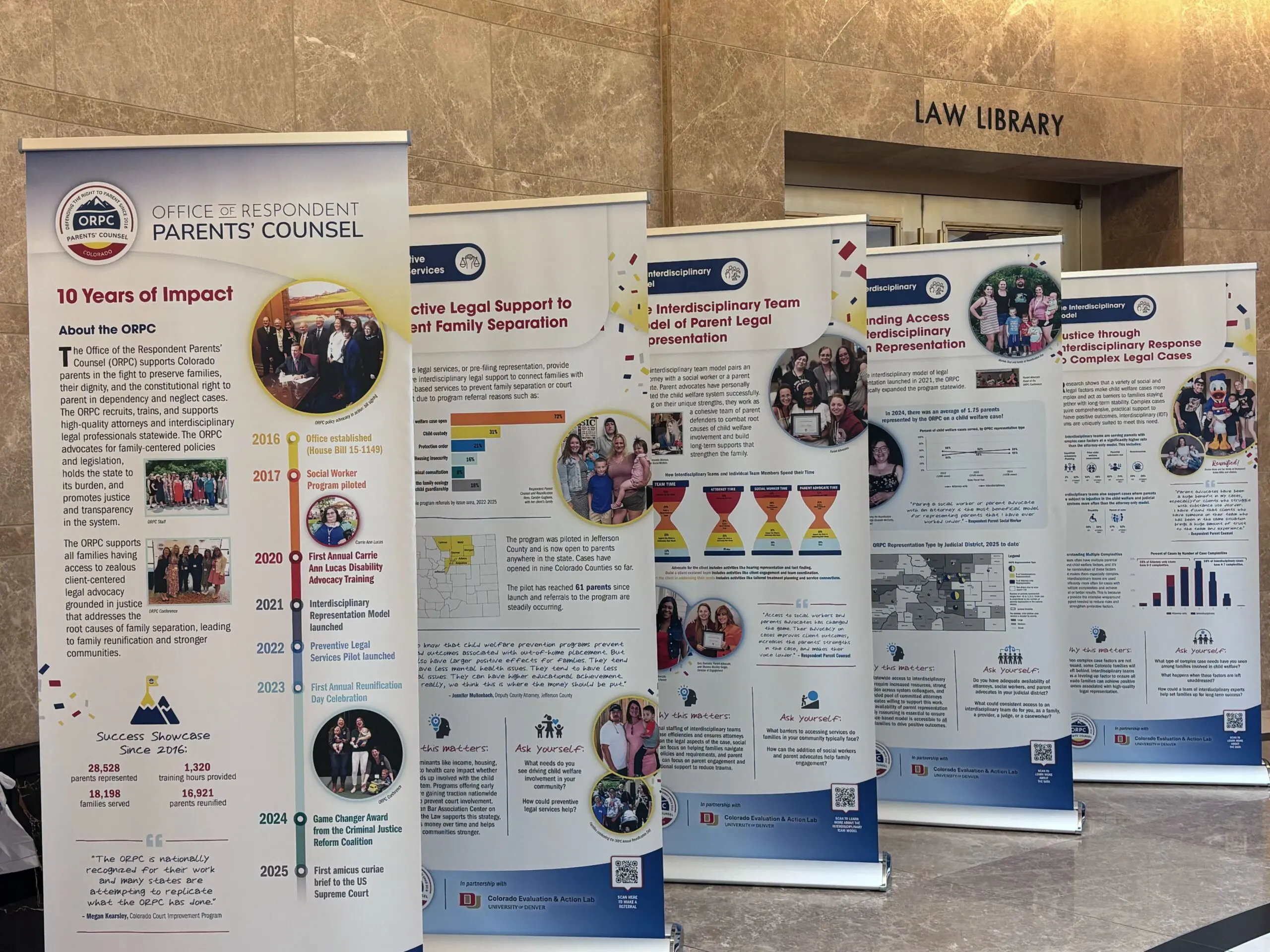
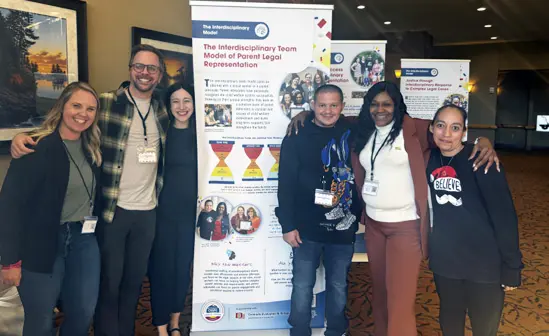
In the kick-off session, Dr. Everson addressed how Colorado’s evidence-based interdisciplinary model for parent representation is promoting justice and helping to keep families together. The Colorado Lab has worked in partnership with the Office of Respondent Parents’ Counsel to build evidence for the interdisciplinary model. Also featured at the convening was the Colorado Lab’s Data Story Walk on Parent Representation, which translates the research into actionable insights for court system improvement.
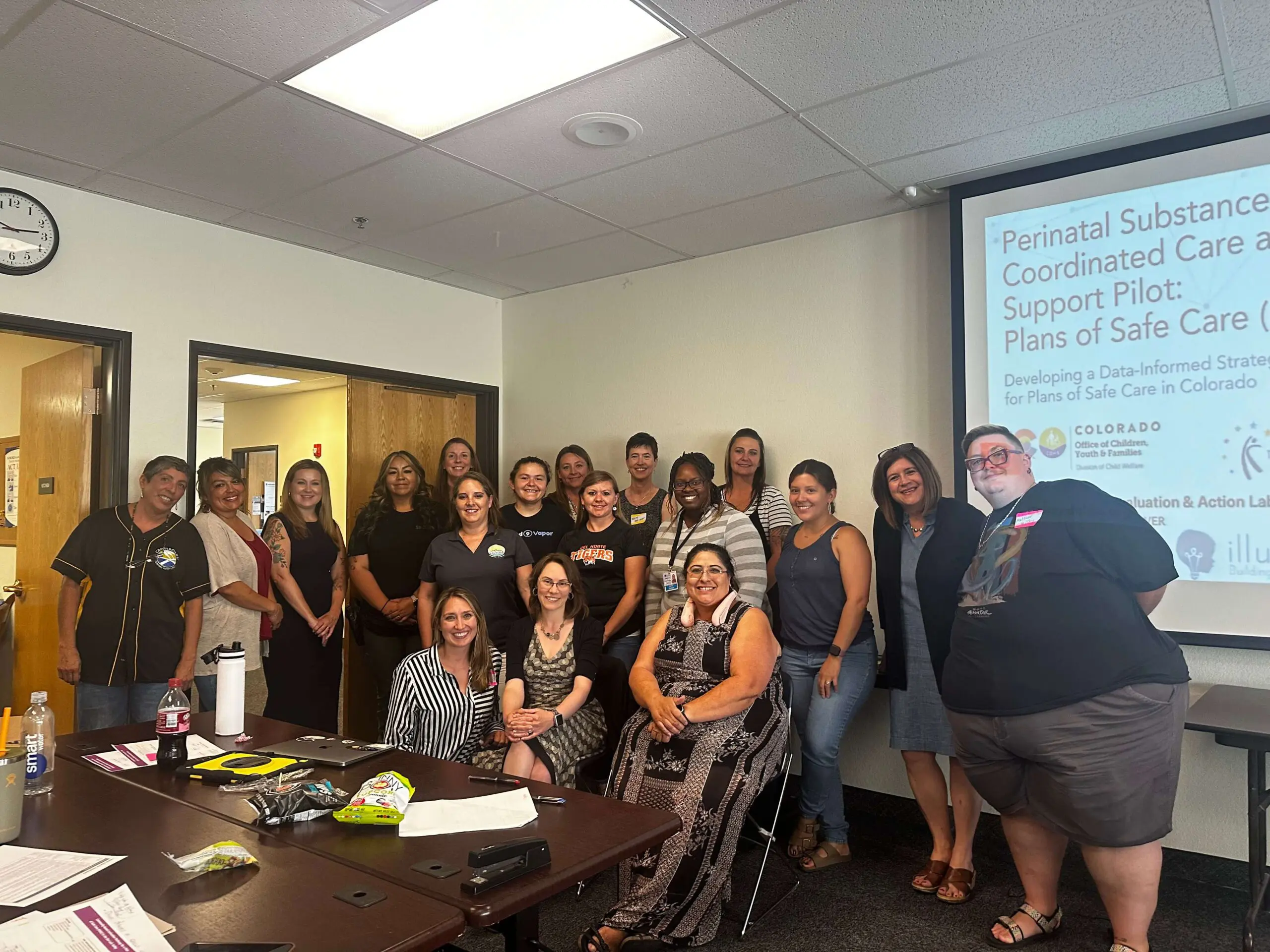
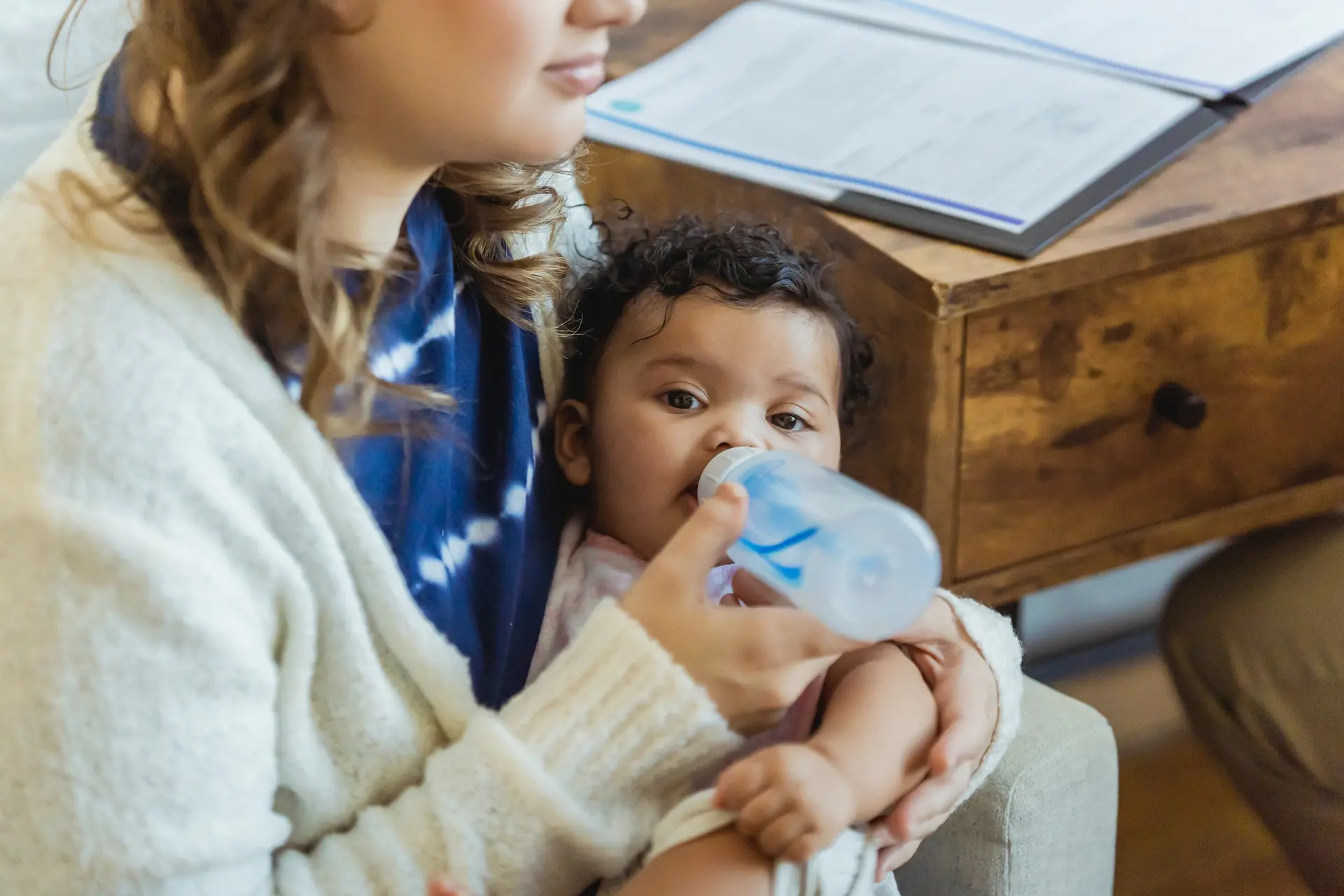
Dr. Everson also joined Anna Neal of Illuminate Colorado and Tessa Richter with Rooted Consulting in facilitating a hands-on workshop on Best Practices in Family Time. The Best Practices came from a legislatively authorized study conducted by the Colorado Lab that provides judicial officers, human service professionals, and aligned systems with research-backed recommendations to improve outcomes in dependency and neglect cases and reduce trauma for children and youth.
To learn more, please contact Dr. Courtney Everson.
US Ombudsman Association Annual Conference
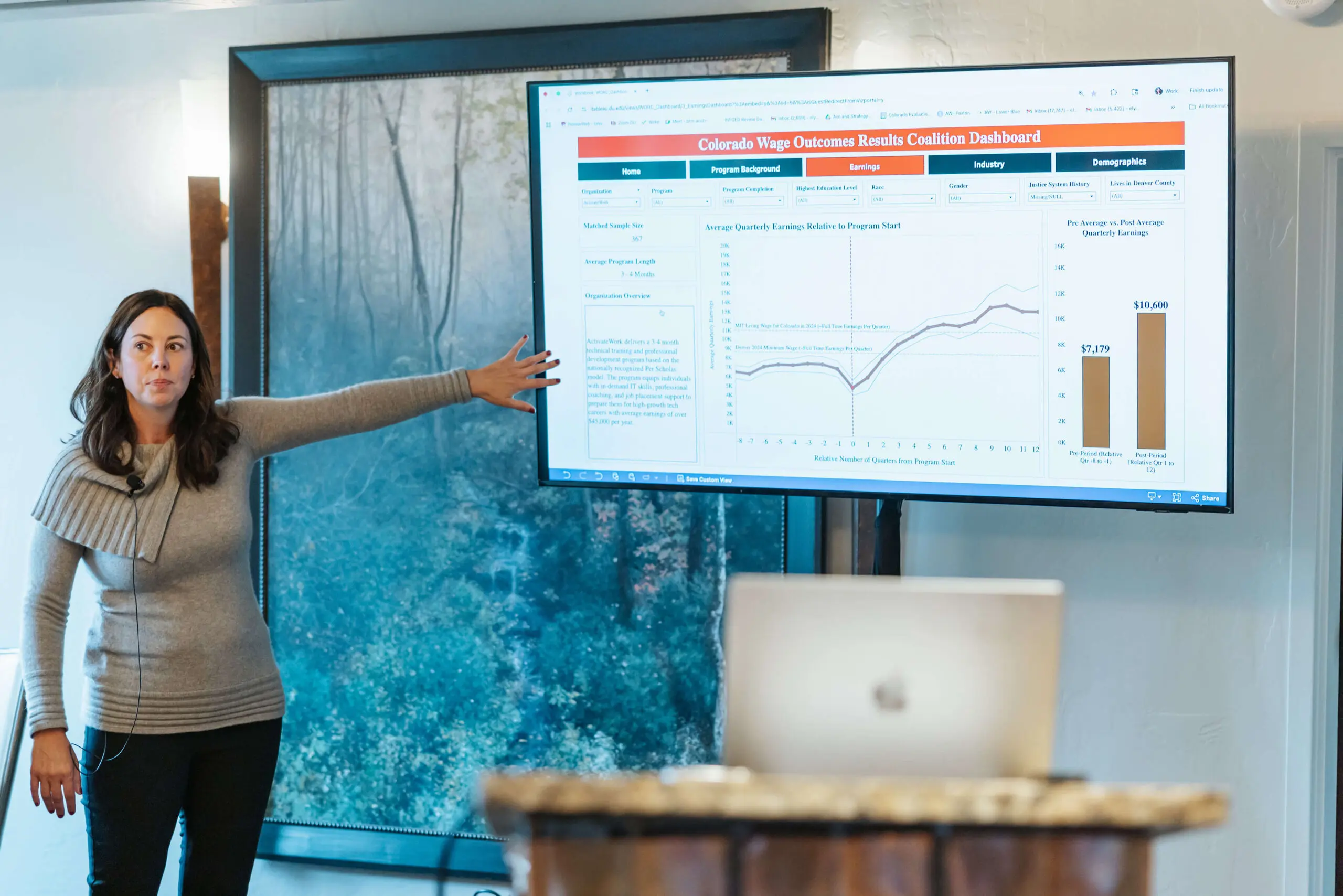
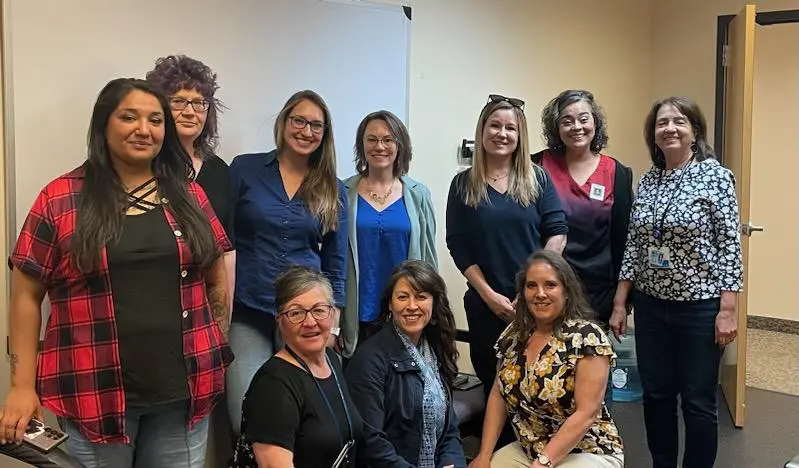
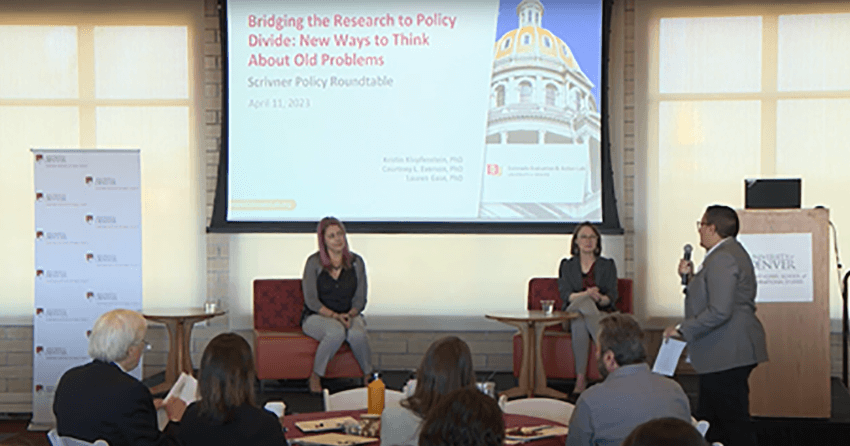
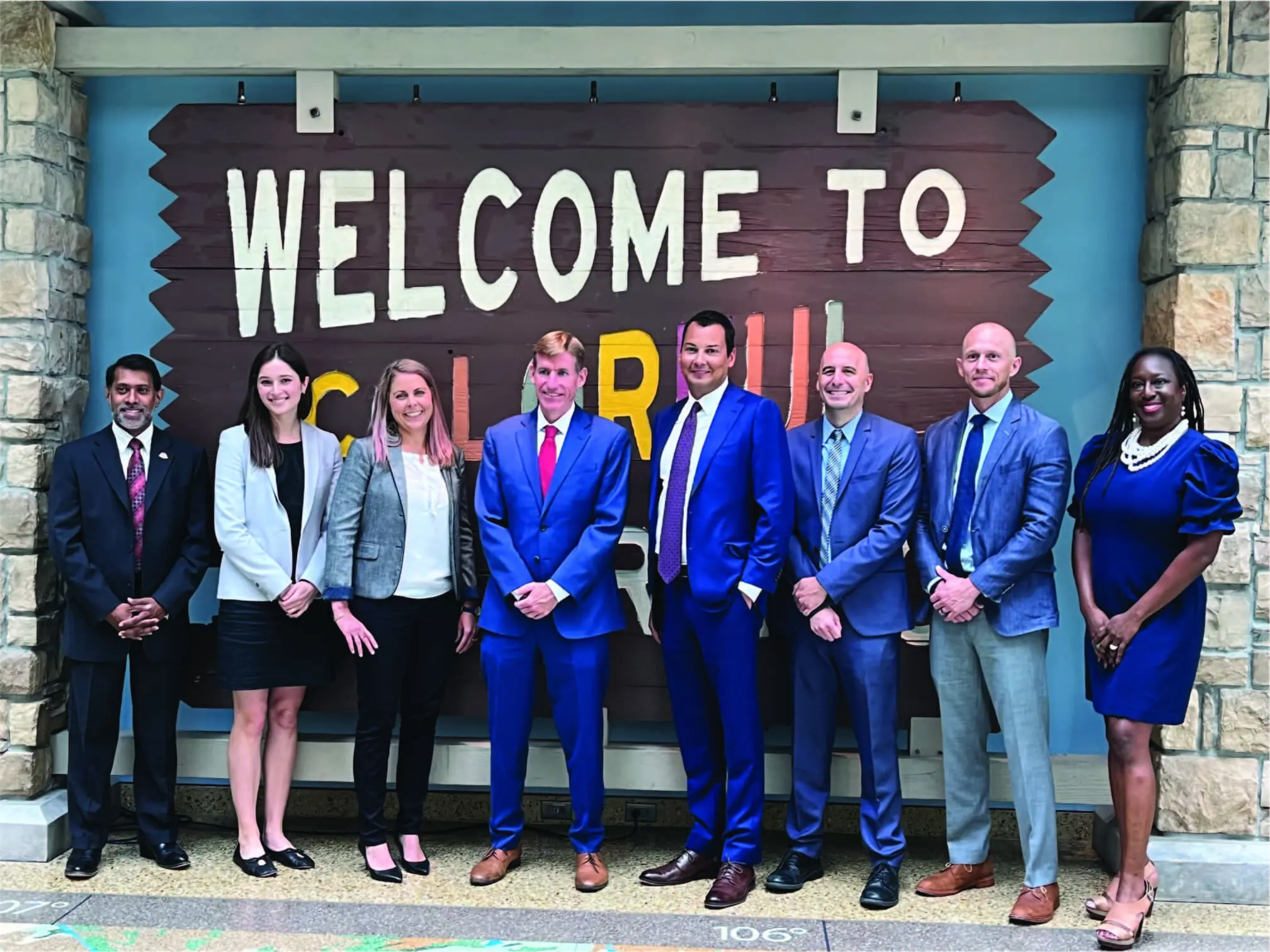
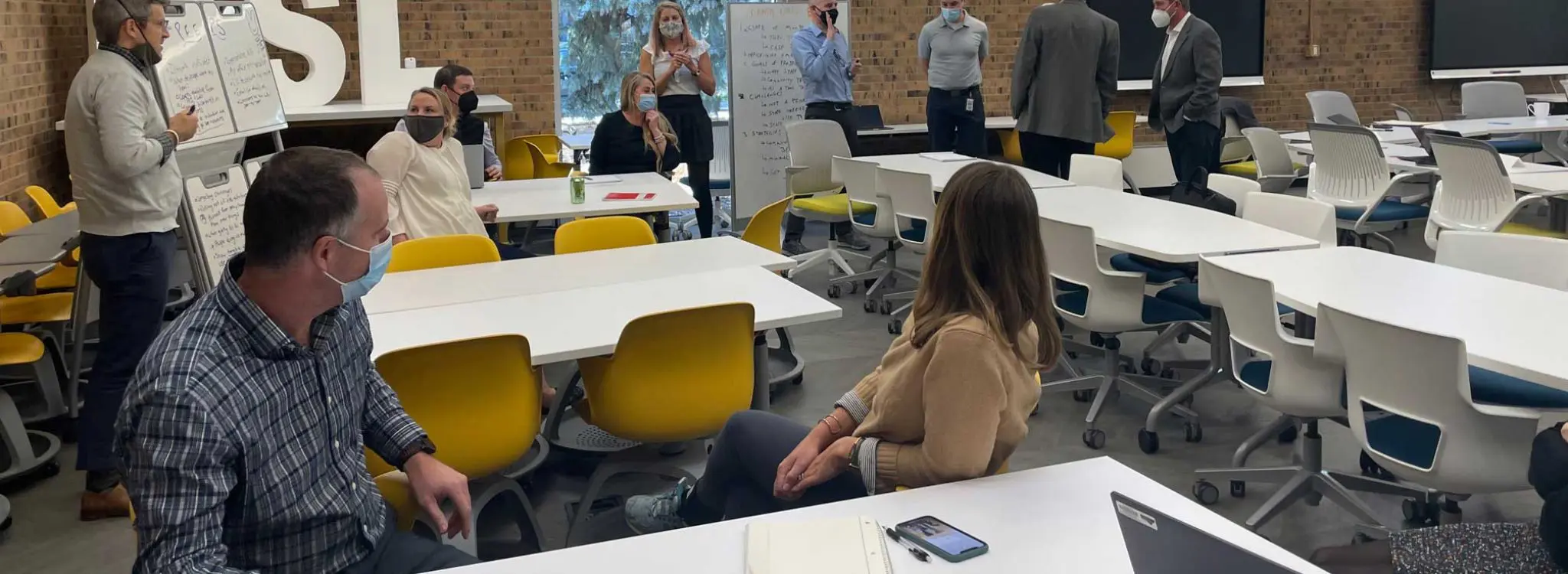
Dr. Kristin Klopfenstein, Founding Executive Director, and Staff Researcher Mark Abman recently co-facilitated a day-long pre-conference training on “Improving Measurement and Communicating the Value of Ombuds’ Work” at the annual conference of the US Ombudsman Association. The Office of the Colorado Child Protection Ombudsman recommended the Colorado Lab based on similar work completed together over the previous 18 months. Ombuds investigate complaints against an organization, help individuals navigate challenges, and issue recommendations to agencies, service providers, and policymakers.
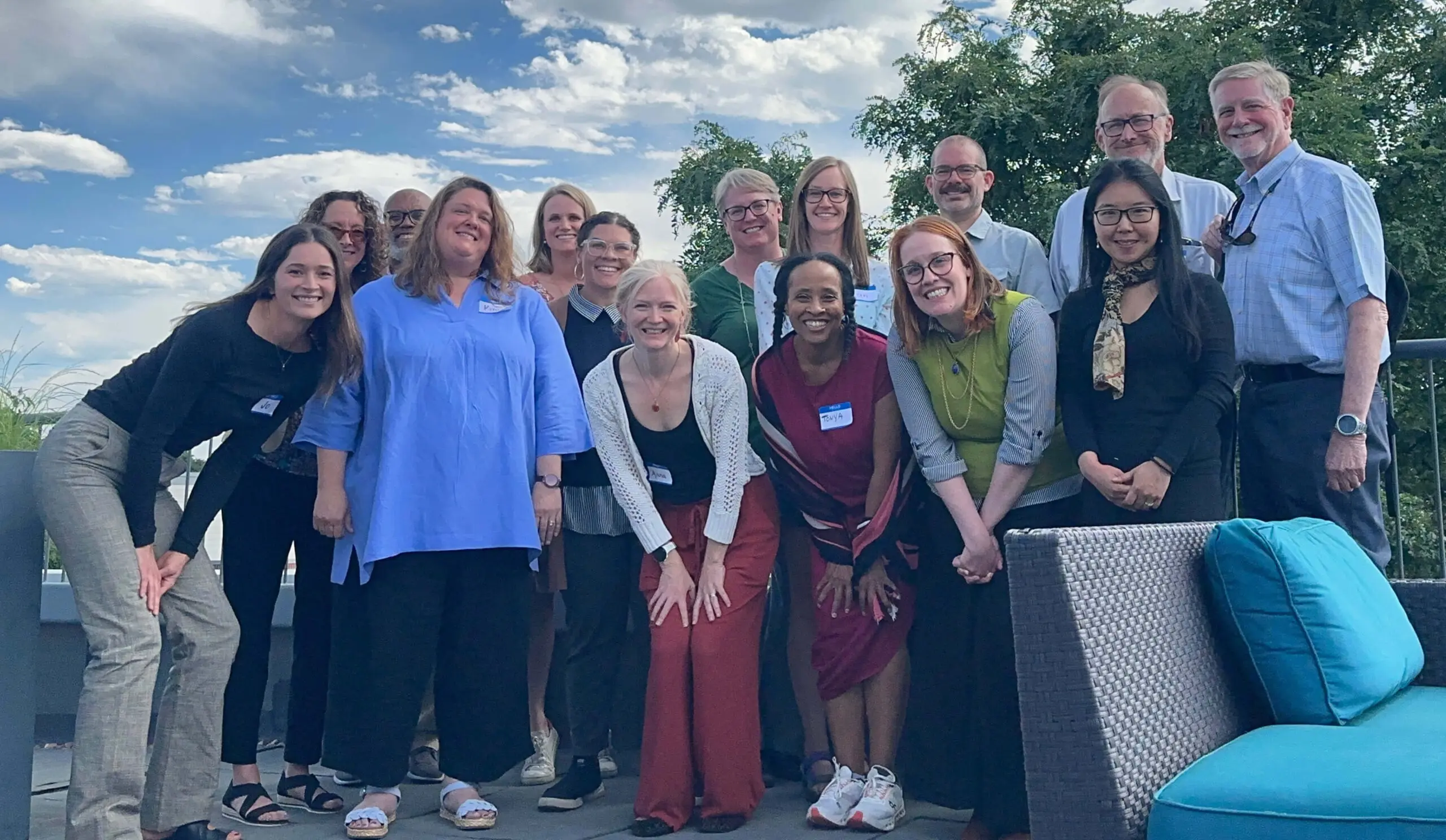
Participants from 11 states—primarily representing government entities focused on issue areas including juvenile justice, government oversight, child welfare and protection, and public benefits—learned how to create systems and processes to improve measurement and better communicate the value of their work.
“This was an incredibly valuable session. It was exciting to get to work through real issues with similar agencies. It was illuminating both around Theory of Change and also getting to know other agencies.” – Session participant
To learn more, please contact Dr. Kristin Klopfenstein.