



Goal 4 Overview
Support state government and philanthropic funders in creating opportunities for grantees to learn from their own data to enhance sustainability while meeting the needs of those they serve.

Goal 4 Activities
State government and philanthropic funders tend to base grantee reporting requirements predominantly on the need for accountability. This approach misses the opportunity to leverage data for learning. Using data for continuous improvement is particularly important when funders desire that grantees continue grant-funded activities beyond the end of the funding period.
Given the substantial contextual differences between state- and philanthropic-funded grant programs, the goals and support needed for each group is different.
State-funded grant programs: These are typically defined in statute and administered by a designated state agency. The Colorado Lab examined the data use requirements of state-funded grant programs across a variety of departments and identified legislation as the key leverage point for change. We developed guidance for legislators about how to structure grant programs to encourage grantee use of data for learning while right-sizing reporting for accountability.
Philanthropic funders: Philanthropy has significantly more discretion about what they require of grantees. There is an appetite among some to reduce the burden on grantees while increasing grantee capacity. The Colorado Lab, in partnership with Philanthropy Colorado and ResultsLab, established a cross-system community of practice to support the collaboration needed to enhance how funders and grantees use data for learning.
Colorado Partners in Evaluation (CO-PIE)
CO-PIE creates a psychologically safe meeting space to establish and sustain trust, understanding, and joint learning among funder and grantee partners. The ultimate goal of this effort is to build a culture where Colorado funders and grantees collaborate to learn from all kinds of data (numbers and narratives) to accelerate improved outcomes for Coloradans.
In the first phase of CO-PIE (October 2024–March 2025), the group convened monthly to discuss what conditions need to be in place to accelerate culture change in the sector. The group identified several working hypotheses to address challenges and leverage opportunities for more meaningful use of data in the sector.
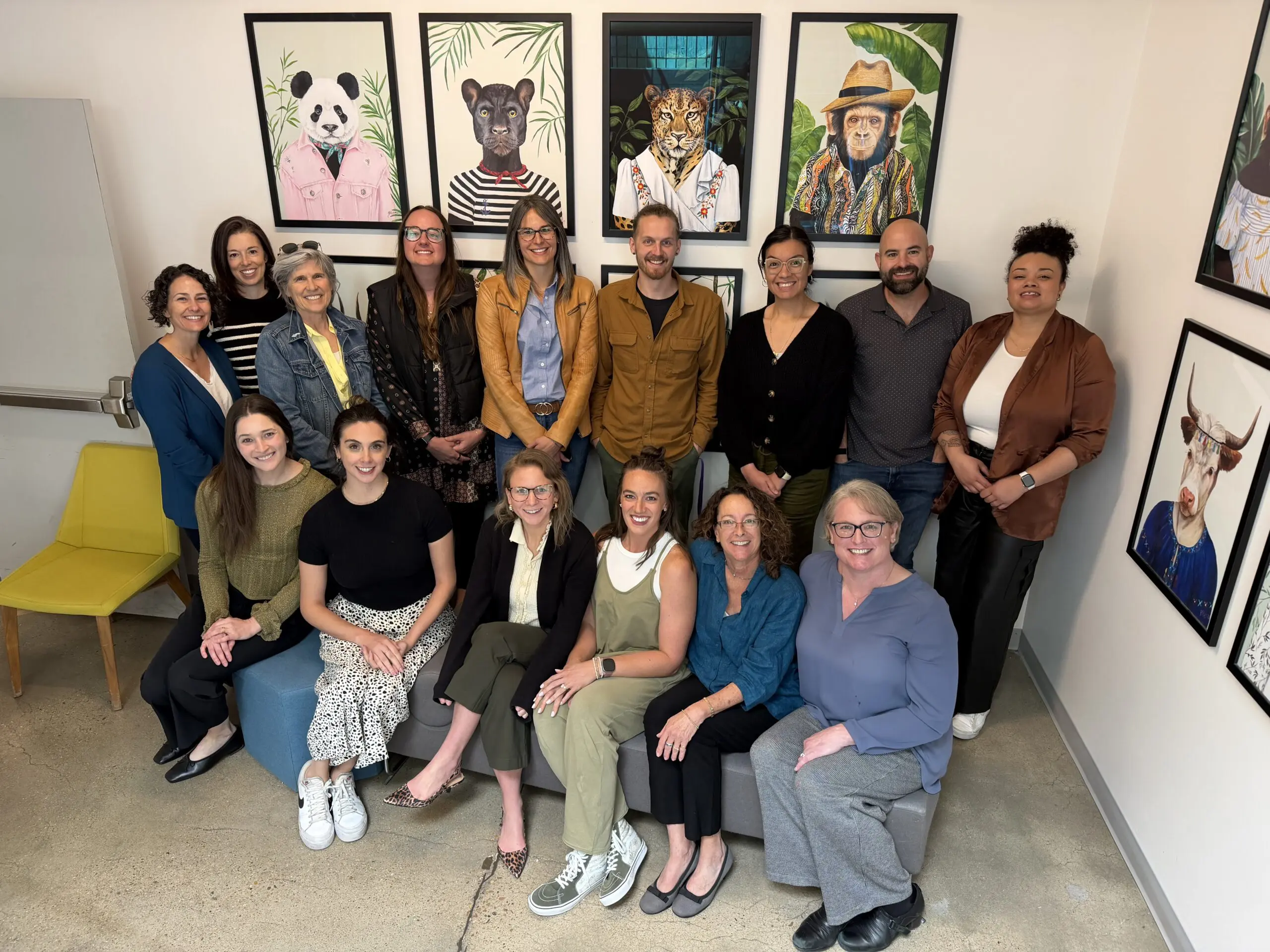
Colorado Partners in Evaluation
Philanthropy Members Include
- Camisha Lashbrook, Director of Grantmaking, The Women’s Foundation of Colorado (Past representative: Louise Myrland, VP Programs)
- Laura Landry, Director of Evaluation and Learning, and Anna Van Slyke, Evaluation and Learning Manager, The Colorado Trust
- Haley Sammen, Lead Evaluation and Learning Partner, and Crystal Ayala Goldstein, Program Officer, Caring for Denver Foundation
- Cris Gonzalez-Avram, Director of Learning and Evaluation, Gates Family Foundation
- Past member: Cari Davis, Executive Director, Colorado Springs Health Foundation
Nonprofit Members
- Annie Wharton, Executive Director, Karis Community
- Donica Snyder, Senior Data and Evaluation Strategist, Florence Crittenton
- Laurie Walowitz, Chief Impact Officer, The Action Center
- Joanna Larsen, Director of Grants Administration, Family Tree (Past representative: Laura Simpkins, Program Impact Evaluator)
- Jake Wilson, Chief Operating Officer, The Gathering Place
- Past Member: Betsy Chanth, Former Mental Health Clinical Director, Struggle of Love Foundation
Facilitator
- Natalie Portman-Marsh of NPM Consulting, LLC
Project Partners
- Colorado Lab – Kristin Klopfenstein, Senior Project Director and Joanna Beletic, Staff Researcher II
Founding Partners
- Philanthropy Colorado – Jan Brennan, Former Director of Advocacy and Engagement
- ResultsLab – Cindy Eby, Founder, and Kenzie Strong, VP Quality and Innovation
Goal 4 Actionability
Funders wield substantial power to increase grantee use of data for continuous improvement by modifying their reporting requirements and who they reward with continued funding. If state- and philanthropic-funded grant programs expect grantees to use data for learning, this will provide the impetus for moving EBDM within grantee organizations from a “nice to have” to “business as usual.”
Get Involved
For more information about working with the Colorado Lab, see Government Partnerships or Research Partnerships.